How to Run a Laundry Business From Home in the UK
A practical guide to starting and growing a home laundry or ironing business in the UK — covering legal requirements, equipment, pricing, finding customers, and managing bookings.
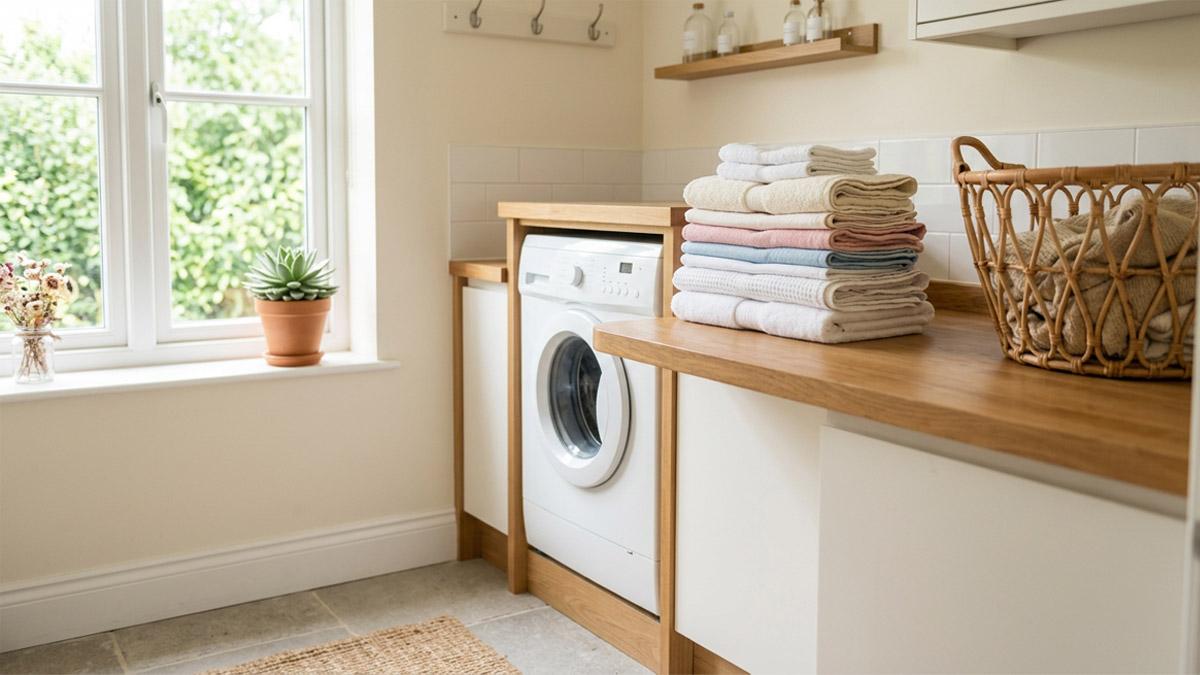
Running a laundry business from home is one of the more accessible small businesses you can start in the UK. The barriers to entry are low, demand is consistent, and you can grow it around existing commitments. This guide covers everything you need to get started — from legal basics and equipment to pricing and finding your first customers.
Is a home laundry business legal in the UK?
Yes, in most cases. There's no specific licence required to offer laundry or ironing services from a residential property. However, you should be aware of a few things:
- Check your tenancy agreement or mortgage terms — some prohibit running a business from the property.
- Inform your home insurer. Standard household policies don't cover business equipment or public liability. You'll need a specialist home business policy or a separate public liability policy.
- Register as self-employed with HMRC if you expect to earn more than £1,000 per year (the trading allowance threshold). This is straightforward and done online.
- Consider whether you need to register for VAT — you only need to if your turnover exceeds the current VAT threshold (£90,000 in 2024–25).
If you're handling clothes for customers, consider public liability insurance as a minimum. If a garment is damaged or lost, you'll want to be covered.
Equipment you'll need to get started
You don't need to spend a fortune upfront. A basic setup for a home laundry or ironing service includes:
- Washing machine — a reliable A-rated drum of at least 8 kg. For higher volume, a 10–12 kg machine is worth the extra cost.
- Tumble dryer or drying rack — a condenser dryer gives you year-round drying without outdoor space.
- Steam iron — a gravity-feed steam iron (Tefal, Rowenta, or similar) is the standard choice for speed and finish quality.
- Ironing board — invest in a wide, padded board. Cheap boards slow you down.
- Garment rail and hangers — for finished items awaiting collection or delivery.
- Laundry bags or crates — for transporting customers' clothes cleanly.
As the business grows, a commercial-grade iron or a steam generator press can significantly reduce ironing time per item. They're expensive (£300–£800+) but typically pay for themselves within a few months at volume.
For a full breakdown of what a home ironing setup costs to build, see Ironing Business Startup Costs UK: What to Budget For.
Deciding what services to offer
Most home laundry businesses start with one or two services and expand based on demand. Common options:
- Ironing only — collect pre-washed garments, press and return. Lower equipment cost, easier to price per item.
- Wash and iron — collect, wash, dry, press, and return. Higher value per order, more equipment and time required.
- Wash and fold — suited to households that don't need ironing. Priced per kg, quicker to process.
- Bedlinen and household items — duvet covers, tablecloths, curtains. Higher per-item margin due to size.
- Specialist care — delicates, wool, silk. Premium pricing, lower volume, requires care and knowledge.
Starting with ironing-only keeps your setup simple. It's also easier to communicate your price list to customers when you're pricing by item rather than managing laundry variables like fabric type and load size.
Pricing your services
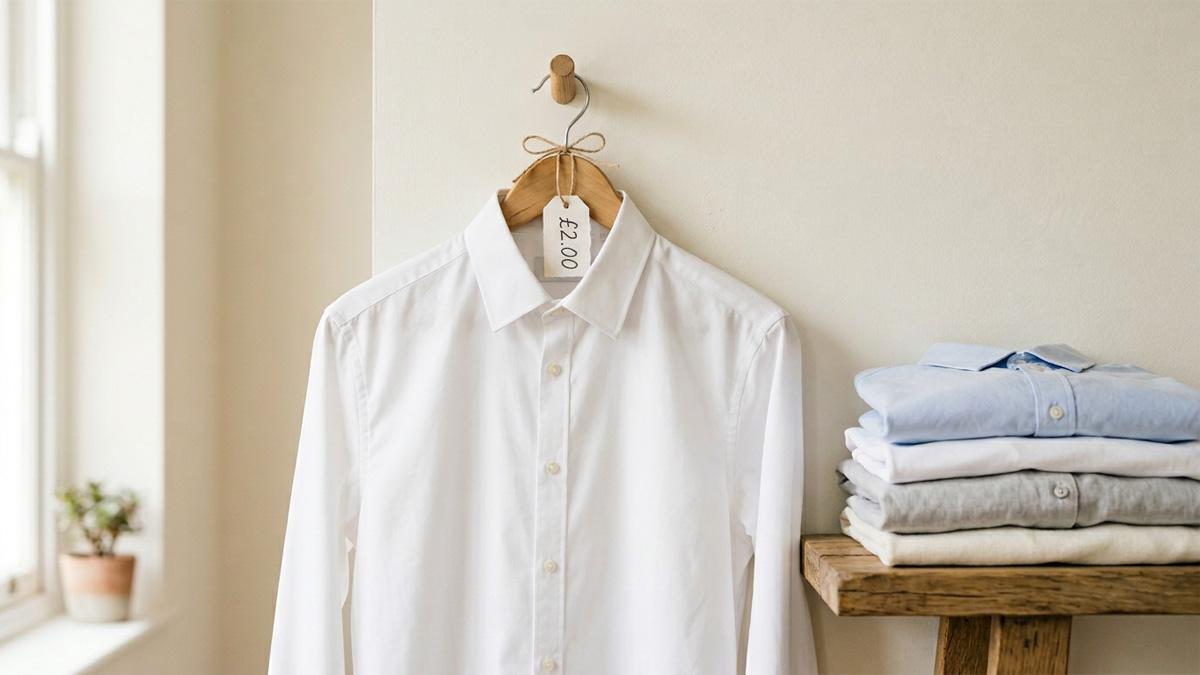
Per-item pricing is the most common approach for ironing services in the UK. Typical rates in 2024–25 range from £1.50–£2.50 for a shirt to £5.00–£7.00 for a double duvet cover. Your exact rates will depend on your area, overheads, and how you position your service.
For wash-and-fold, most operators charge by weight (typically £1.20–£2.00 per kg depending on location and turnaround). A minimum order value — usually £15–£20 — protects you from small jobs that aren't worth the collection trip.
Build in a collection and delivery charge if you offer that, or set a minimum order to cover your fuel. Transparency here avoids disputes — publish your rate card clearly and include it in every booking confirmation.
For guidance on setting competitive rates, see Ironing Service Pricing Guide UK: How to Set Your Rates Per Item.
Finding your first customers
Your first five customers are the hardest to get; after that, word of mouth does a lot of the work. Practical ways to get started:
- Tell everyone you know — family, friends, neighbours. Offer a first-order discount to get the word out.
- Post in local Facebook groups and Nextdoor — these communities respond well to local service providers.
- List on Google Business Profile — free, and it puts you in front of people searching for laundry or ironing services near them.
- Flyers through letterboxes in nearby streets — old fashioned, but still effective for local service businesses.
- Partner with local businesses — Airbnb hosts, small B&Bs, and letting agents regularly need reliable laundry services.
Once you've established a customer base, how to get more laundry customers in the UK covers 10 proven strategies to scale your customer acquisition.
Managing bookings and admin
When you're taking on a handful of regular customers, a notebook or basic spreadsheet might be enough. As you grow, it becomes a bottleneck — particularly when you're juggling collection dates, pricing different items, and sending invoices.
A dedicated booking system handles this properly: customers are tracked against their bookings, per-item pricing is applied consistently, and invoices go out automatically. DashGrow is built specifically for UK laundry and ironing operators, with a free plan to get started and a Pro trial if you want branded invoices, SMS updates, and Stripe card payments.
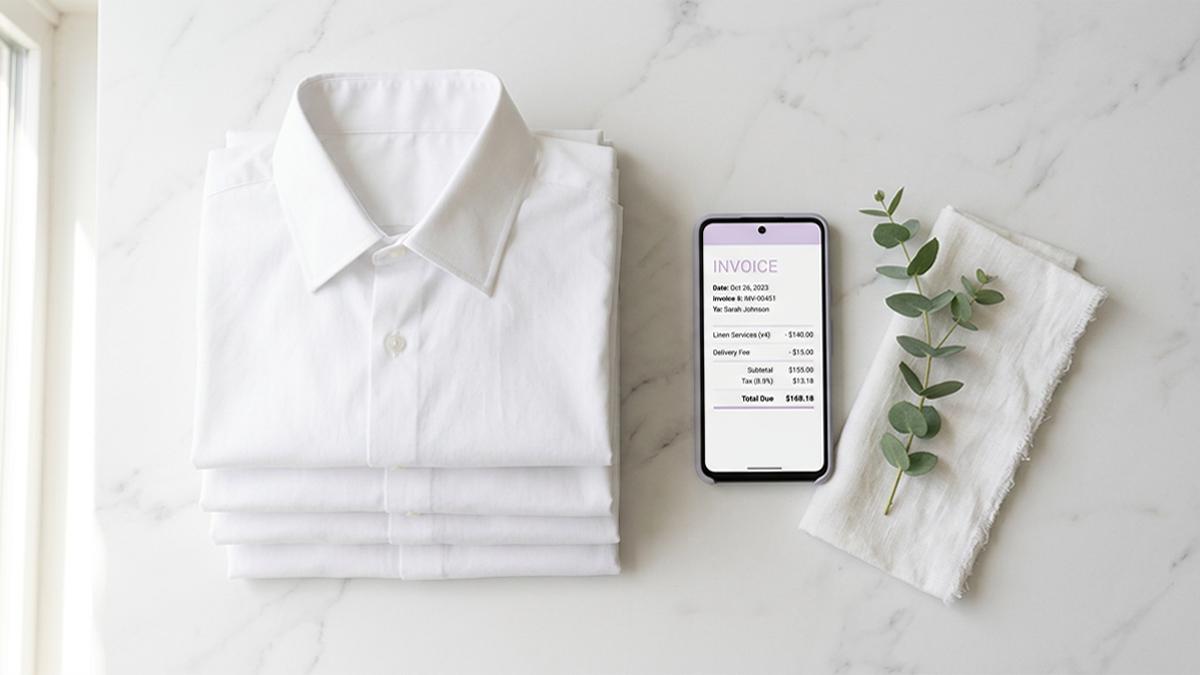
For a full guide on what every laundry invoice should contain and how to get paid faster, see How to Invoice Your Laundry Customers Professionally.
For a full overview of how a laundry management system handles bookings, pricing, invoicing and payments in one place, see DashGrow.
For operators ready to replace the spreadsheet, DashGrow's laundry booking system is built specifically for UK laundry and ironing businesses.
Growing beyond the home setup
Many successful laundry businesses started in a spare bedroom or garage. At some point — usually when the washing machine is running 10+ hours a day — the question becomes whether to invest in commercial equipment, take on a unit, or hire help.
Signs you're ready to scale:
- You're turning down new customers regularly due to capacity.
- Your domestic machine is running continuously and showing wear.
- You're spending more time on admin than on the work itself.
- Profit is consistent enough to support a second machine or a part-time assistant.
At that stage, look at commercial washing machines (often available second-hand), a small unit on a flexible lease, or a commercial ironing system. The economics change significantly once you're processing volume — your cost per item falls and margins improve.
Final thought
A home laundry business is a genuine, scalable service business — not a side hustle. With the right equipment, a clear price list, and a simple system for managing bookings and invoicing, you can build a reliable income from it. Start small, be consistent with quality, and let the results speak for themselves.